From workshop to pilot projects: Circularity in tire procurement
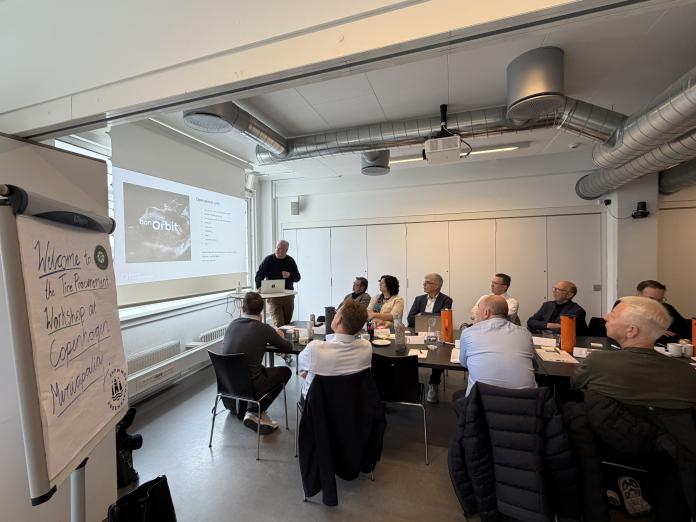
The workshop created a shared understanding of the challenges and identified several concrete tracks now being translated into action.
It highlighted a clear and growing potential to work more strategically with circularity in the municipality’s tire procurement. There was strong interest in moving procurement in a more circular direction, where longer lifespan, total cost of ownership, material recycling, and documented environmental impacts play a greater role.
At the same time, it became clear that a stronger shared understanding is still needed—particularly regarding which solutions are mature enough to implement now and which require further development.
From ideas to pilots
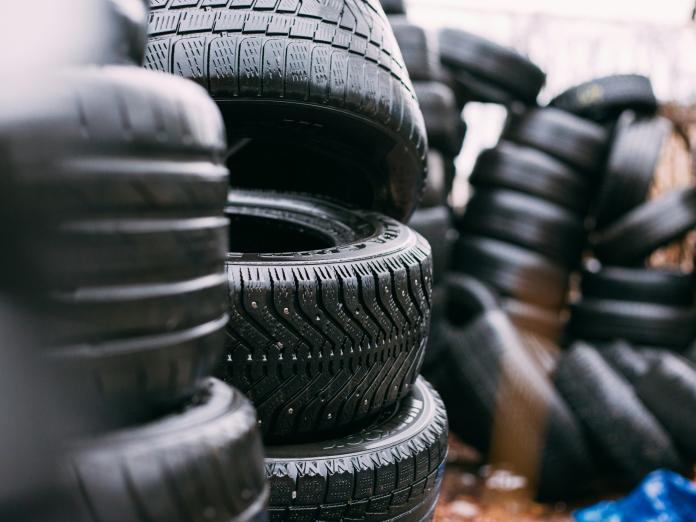
Based on the workshop, the municipality is now advancing several concrete tracks. The most developed is a pilot test of rubber-modified asphalt. Dialogue with relevant internal teams has shown strong interest in testing the solution in municipal construction projects. This is a promising track, as it may contribute to greater durability, improved resource efficiency, and, in some cases, better operational and traffic performance. The next step is to further mature the solution to ensure a solid basis for testing, documentation, and potential scaling.
At the same time, the municipality is exploring additional opportunities, including noise-reducing applications and the use of recycled materials in construction and infrastructure projects. These areas are not yet as mature as the asphalt and retreading tracks, but they represent interesting longer-term opportunities worth further investigation.
Retreading and procurement criteria
Another key track is the retreading of tires for the municipality’s heavy vehicles. The workshop showed that retreaded tires are a highly relevant option for trucks and buses, with significant potential to extend product life and reduce material use.
The workshop input is already being used to refine future tender requirements. This includes phasing out tire types that are difficult to recycle, such as self-sealing and noise-reducing tires, and placing greater emphasis on recyclability, total cost of ownership, and documented environmental performance in procurement decisions.
Other development tracks
Alongside the most mature pilot areas, the municipality is exploring additional opportunities that require further clarification. These include noise-reduction solutions in the urban environment, where recycled rubber or textile from tires could be used in noise barriers, concrete or rubber elements, and other city-scale applications. Another track is the use of recycled materials in construction and infrastructure projects, which could eventually form part of a broader circular material flow.
These areas are less mature than the asphalt and retreading tracks but show clear potential. The key will be to combine technical insight, internal needs, and market dialogue to prioritise solutions that are both relevant and feasible.
What we take forward
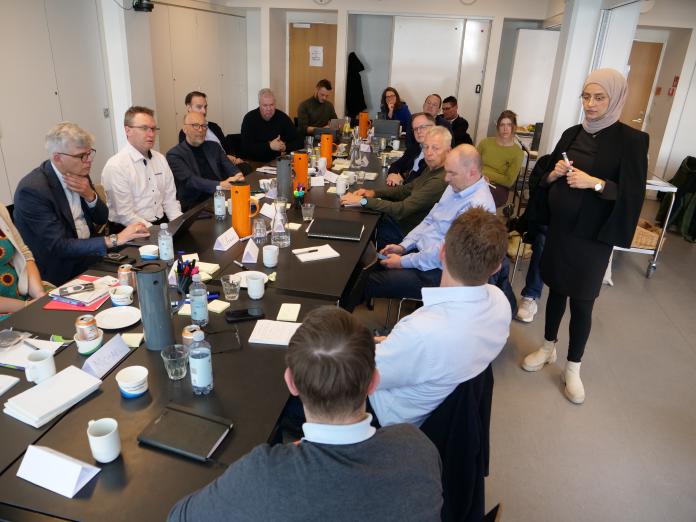
A key outcome of the workshop is a stronger shared language between the municipality and the market around tire circularity. Participants highlighted the need for better documentation, improved data, and clearer links between environmental and economic impacts. It also became evident that the municipality, as a major procurer, can help drive the market in a more circular direction.
The workshop’s insights are now shaping the next steps: concrete pilot projects, stricter procurement criteria, and more targeted dialogue with both internal teams and external partners. At the same time, the municipality is working to make the next workshop more operational, with a stronger focus on turning knowledge into practical solutions and collaboration.